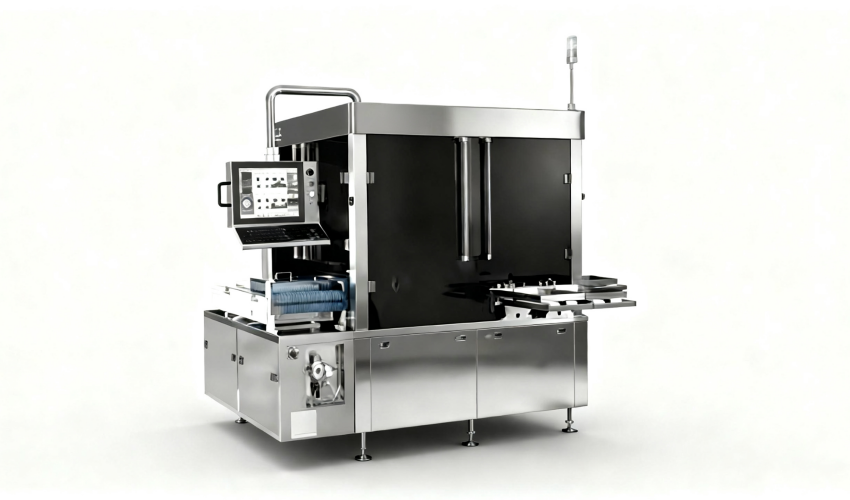

GMP Pre-Syringe Vision Inspection Machine, Quality Control System
Request a Quote
Enter the quantity you need and add to your quote list for pricing inquiries.
DESCRIPTION
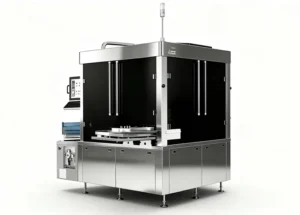
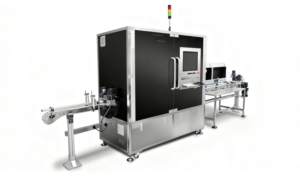
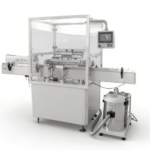
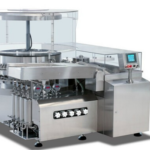
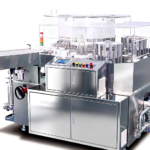
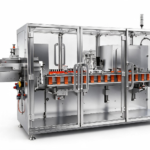
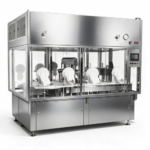
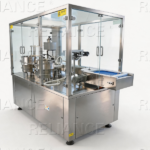
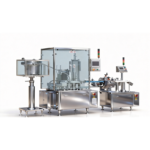
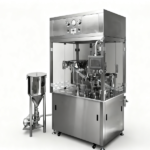
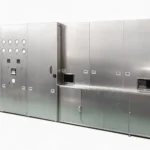
The Probiotic Monoblock Dropper Bottle Filling Capping Machine is designed for automatic filling and sealing of probiotic liquids, nutritional supplements, and healthcare products in amber glass dropper bottles. Integrating bottle handling, precision liquid filling, dropper sorting and insertion, and capping all in one compact system, it provides stable operation, high dosing accuracy, and consistent sealing performance. With GMP-oriented hygienic design and flexible customization options, the machine is suitable for probiotic, vitamin, and nutraceutical liquid production lines requiring efficient and reliable small bottle packaging solutions. Rotary Type High-Speed Pharmaceutical Glass Ampoule Vision Inspection Machine is designed for automated quality inspection of glass ampoules on pharmaceutical production lines. Its rotary handling system ensures stable container positioning and synchronized movement for high-speed camera inspection. Equipped with industrial vision cameras, precision lighting, and intelligent image-processing software, the system can be configured to detect visible defects such as particles, glass cracks, filling-level variations, and container appearance defects, depending on the inspection configuration. The user-friendly HMI enables operators to manage inspection recipes, adjust parameters, monitor production data, and review inspection results. With configurable defect criteria, automatic rejection of non-conforming ampoules, and recipe management for different ampoule formats, the machine supports consistent inspection performance and efficient changeovers in pharmaceutical manufacturing.
SPECIFICATION
| 1 | Application | Pharma Glass Ampoule |
| 2 | Capacity | 600pcs/min |
| 3 | Power | 380 v, 12000 w |
| 4 | Weight | 1200kg |
| 5 | Dimension | 3000×1750×2400mm |

FAQ
1. What defects can a pharmaceutical glass ampoule vision inspection machine detect?
A pharmaceutical glass ampoule vision inspection machine can be configured to detect visible foreign particles, glass cracks, surface defects, filling-level deviations, and ampoule sealing defects. The actual inspection range depends on the camera configuration, lighting system, software algorithms, ampoule specifications, and product characteristics.
2. What is the maximum inspection speed of an automatic ampoule inspection machine?
The maximum inspection speed depends on the ampoule size, number of inspection stations, camera configuration, and required inspection criteria. A rotary high-speed vision inspection machine can be customized for different production capacities. Actual performance should be confirmed through testing with representative ampoules and defect samples.
3. How does the camera vision inspection software work?
The inspection software captures images using industrial cameras and analyzes them against predefined inspection parameters. It processes images in real time, identifies potential defects, classifies products as acceptable or defective, and triggers the automatic rejection system when a defect is detected. The HMI can also support recipe management, parameter adjustment, inspection statistics, and production monitoring.
4. Can the machine inspect different sizes of glass ampoules?
Yes. The machine can be configured for different ampoule volumes, diameters, and heights. Product changeover may involve replacing format parts and selecting the corresponding inspection recipe. Camera positions, lighting parameters, and software settings should be verified for each format to maintain reliable inspection performance.
5. Can the ampoule vision inspection machine record inspection results and production data?
Depending on the software configuration, the system can record inspection quantities, defect categories, rejection counts, and production statistics. Optional functions may include user access management, electronic records, audit trails, and data communication with a manufacturing execution system (MES). Requirements such as 21 CFR Part 11 compliance must be specifically assessed and validated for the supplied system.
FEATURE
1. Superior inspection capabilities for bottle tops, caps, and necks
Effectively detects various defects such as deformed tops, flat tops, and bubbled tops, as well as issues with caps and bottle necks.
2. Comprehensive inspection
Equipped with bright-field, dark-field, and semi-dark-field inspection zones to precisely detect internal liquid defects and foreign particles.
3. Compact design
Small footprint, effectively saving operational space.
4. AI algorithms
Enables effective identification of complex defects.