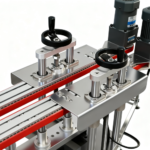
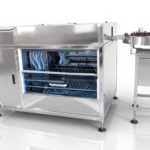
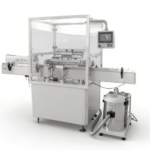
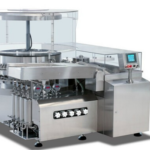
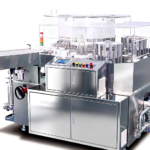
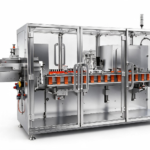
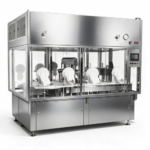
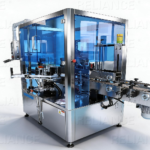
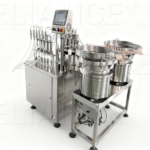
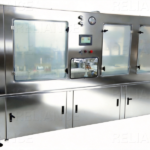
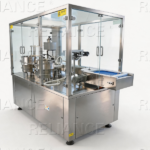
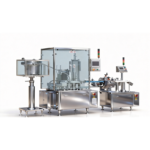
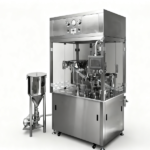
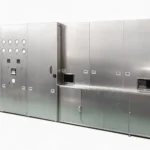
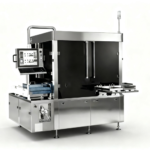
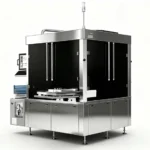
Aseptic Glass Vials Filling Stoppering Machine
Request a Quote
Enter the quantity you need and add to your quote list for pricing inquiries.
DESCRIPTION
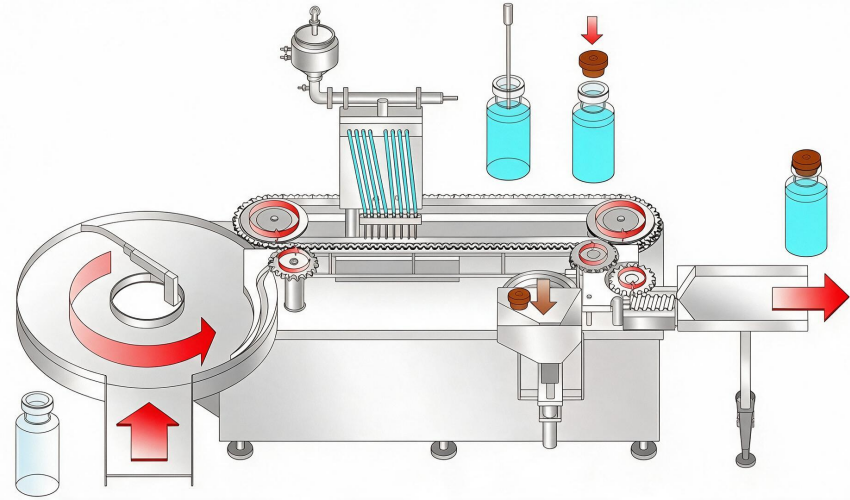
The aseptic sterile glass vial filling and stoppering machine is developed for pharmaceutical applications requiring controlled liquid filling and reliable rubber stopper placement. It combines vial handling, liquid dosing, and stoppering operations in a coordinated production process.
Depending on the product formulation and required output, the machine can be configured with suitable filling technologies, such as peristaltic pumps or other compatible dosing systems. The equipment design can be adapted to specific vial dimensions, fill volumes, and aseptic processing requirements.
For sterile pharmaceutical manufacturing, the machine can be configured for integration with appropriate sterilization procedures, cleanroom environments, and barrier technologies. Optional features and documentation can be specified according to the customer’s User Requirement Specification (URS), validation plan, and project requirements.
SPECIFICATION
| Specification | Model | ||
| RVF-8 | RVF-12 | RVF16 | |
| Output | 100 | 150 | 2000 |
| Rotary Dosing Pump | 8-10 pcs | 10-12 pcs | 12-16pcs |
| N2 Nozzles | 8-10 pcs | 10-12 pcs | 12-16pcs |
| Liquid Filling Nozzles | 8-10 pcs | 10-12 pcs | 12-16pcs |
| Power Supply | 10KW | 12KW | 14KW |
| Control System | Servo Drive | ||
| Filling Precision | ±1% ( standard 10ml) water base | ||
| Dimension | 4000x2000x2400mm | 4000x2150x2400mm | 5000x2150x2400mm |
| Weight | 1500kh | 1800kg | 2000kg |
FAQ
Q1. What is an aseptic glass vial filling and stoppering machine used for?
An aseptic glass vial filling and stoppering machine is designed to fill sterile liquid products into glass vials and insert rubber stoppers under controlled aseptic conditions. It is commonly used in pharmaceutical manufacturing for injectable drugs, vaccines, biologics, and other sterile liquid formulations.
Q2. How does an aseptic vial filling machine help prevent contamination?
The machine supports aseptic processing through integration with suitable cleanroom environments, laminar airflow systems, RABS, or isolators. Hygienic design, sterilized product-contact parts, and reduced manual intervention help minimize contamination risks. Actual sterility assurance depends on the complete validated manufacturing process.
Q3. What is the difference between vial filling and stoppering and vial capping?
Vial filling dispenses a controlled volume of product into each vial. Stoppering places a rubber stopper into the vial opening, while capping applies an aluminum seal or another specified closure to secure the stopper. Filling and stoppering machines can be integrated with a separate capping unit to create a complete production line.
Q4. Can the pharmaceutical vial filling machine handle different vial sizes and fill volumes?
Yes. Depending on the machine configuration, it can accommodate different glass vial dimensions and filling volumes. Change parts, filling nozzles, and machine settings may need adjustment when switching between vial formats. The required range should be confirmed according to your product specifications and production requirements.
Q5. Is an aseptic vial filling and stoppering machine suitable for GMP-compliant production?
Yes. The machine can be designed to support GMP manufacturing requirements through hygienic construction, suitable materials, process controls, and validation documentation. Options may include PLC controls, stainless steel product-contact parts, and IQ/OQ documentation. Compliance depends on the specific machine design, facility, and validated manufacturing process.
FEATURE
1. Aseptic processing compatibility: Designed for integration with suitable sterile production environments and optional RABS or isolator systems.
2. Accurate liquid filling: Configurable dosing technology to meet product-specific filling accuracy requirements.
3. Automatic stopper insertion: Supports consistent rubber stopper placement after filling.
4. Flexible vial handling: Change parts and format adjustments can accommodate different glass vial sizes, subject to the machine configuration.
5. Hygienic construction: Product-contact materials and equipment surfaces can be specified according to pharmaceutical process requirements.
6. Automated operation: PLC and HMI controls can support process parameter management, operation monitoring, and alarm handling.
7. Production line integration: Can be connected with vial washing, depyrogenation, capping, inspection, and other downstream or upstream equipment.
8. GMP documentation support: FAT/SAT and IQ/OQ documentation can be discussed according to the project scope and customer URS.
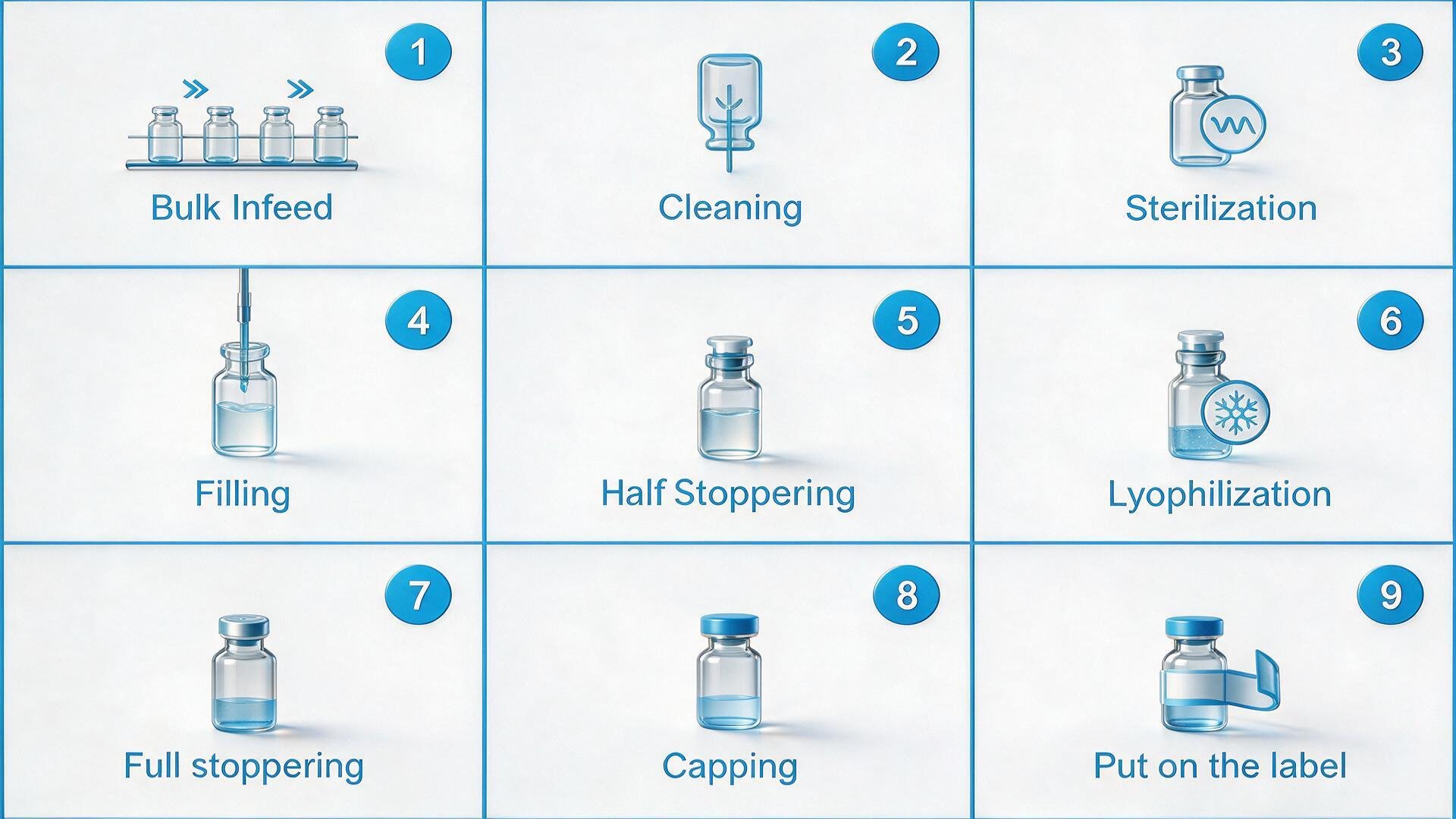
Flow Chat:
CONTROL SYSTEM -IoT
connecting the machine to a secure industrial network, operators can monitor key operating parameters, production status, alarms, and equipment performance through a centralized interface. Depending on the configuration, the system can support production data collection, performance analysis, maintenance alerts, and remote technical assistance. These digital capabilities help improve operational visibility, support preventive maintenance, and enhance production efficiency. The control system can be configured to meet specific manufacturing requirements, with appropriate access controls and data management functions to support pharmaceutical quality management and data integrity requirements.
IoT Benefits for Operators
The IoT-enabled control system helps operators monitor the aseptic glass vial filling and stoppering machine in real time through a centralized interface. Operators can quickly check machine status, production output, operating parameters, and alarm notifications, reducing the need for constant on-site monitoring. Remote access, where enabled, allows authorized personnel to review equipment performance and support troubleshooting more efficiently. Maintenance alerts can help operators identify potential issues early, reduce unplanned downtime, and improve production continuity. In addition, digital production records can support traceability, reporting, and data integrity when configured with appropriate access controls and data management functions. Overall, IoT technology helps simplify daily operation, improve response times, and support more efficient pharmaceutical manufacturing.